
All on 4 vs All on 6: Which Full-Arch Implant Solution Is Right for You?

If you are missing most or all teeth, or your teeth are severely damaged, full-arch implants can restore your smile with a fixed solution. Two popular approaches are all on 4 and all on 6. Both can deliver a strong, stable, natural-looking result—but the best option depends on your mouth, bone level, and long-term goals.

This article explains the main differences, benefits, and what to consider—especially if you’re exploring dental tourism in Albania.

What Is All on 4?

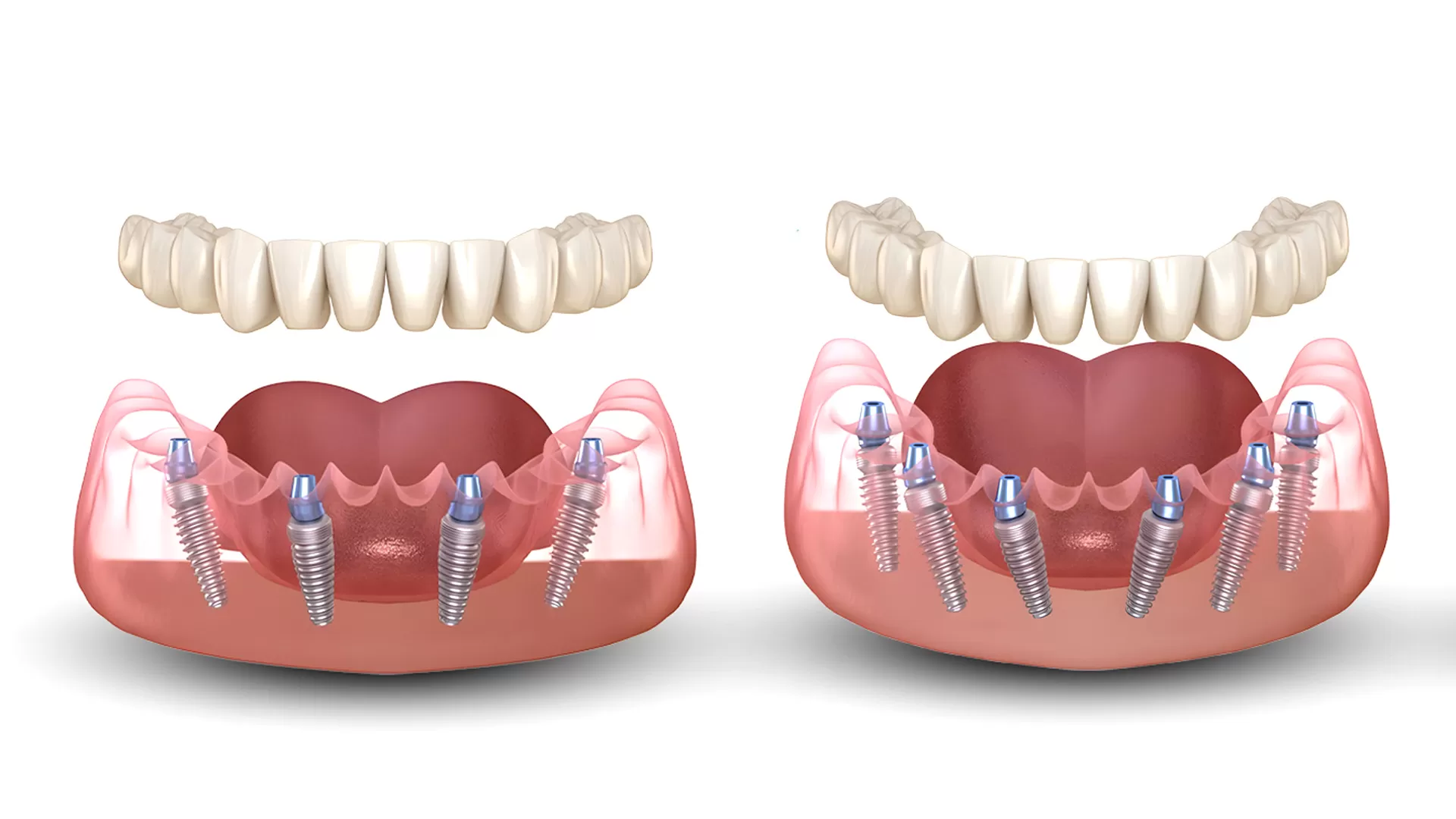
All on 4 is a full-arch restoration supported by 4 dental implants. The implants are placed strategically to maximize stability, often allowing patients to regain strong function with fewer implants.

Best for:

  • Patients with limited bone (in some cases)
  • Patients looking for a fixed full-arch option
  • Patients who want an efficient solution with fewer implants

What Is All on 6?

All on 6 is a full-arch restoration supported by 6 dental implants. The extra implants can distribute bite forces across more points, which may be beneficial for certain patients depending on bone quality and chewing forces.

Best for:

  • Patients with good bone volume and density
  • Patients with stronger bite forces
  • Patients seeking maximum distribution and stability
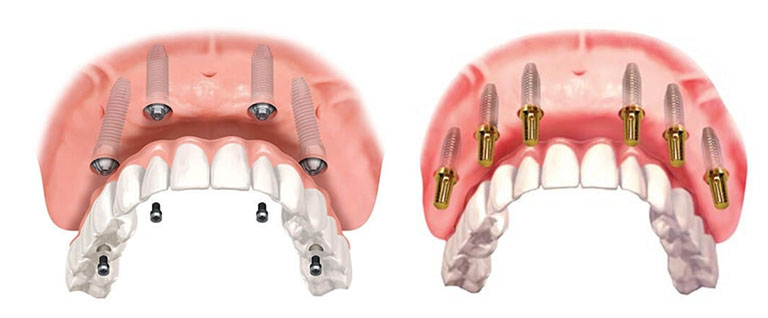
Main Differences Between All on 4 and All on 6

Here’s a simple comparison:

  • Number of implants: 4 vs 6
  • Force distribution: all on 6 can distribute forces across more implants
  • Bone requirements: varies case by case (planning is essential)
  • Treatment plan: depends on scan results, gums, bite, and goals

The choice isn’t “better vs worse”—it’s “best for your situation.”

How Treatment Is Planned

In modern clinics, full-arch cases are often planned with:

  • Consultation and medical review
  • Digital impressions or scans
  • 3D imaging for bone evaluation
  • Smile design and bite planning

This planning is important for predictable results, especially for advanced dental implants cases.

Recovery and Aftercare

After surgery, patients often experience a short recovery phase. Your team will provide aftercare guidance which usually includes:

  • Soft food for a short period
  • Good hygiene and gentle cleaning
  • Follow-up checks
  • Avoiding smoking and following medical advice

Long-term success depends on maintenance visits and consistent oral hygiene.

Why Many Patients Consider Dental Tourism in Albania

Full-arch treatment can be a major investment, so patients often explore international options. Dental tourism in Albania has grown because many clinics combine:

  • Modern technology and digital planning
  • Experienced dental teams
  • Clear packages and timelines
  • Travel-friendly support

If you’re researching a dental clinic in Albania opinioni, look for consistent patient feedback, clear case photos, transparent inclusions, and real communication before you travel.

Can You Combine Full-Arch Treatment with Teeth Whitening?

Whitening (often searched as teeth withening) improves the shade of natural teeth, but full-arch restorations are prosthetic teeth. Whitening does not change the color of crowns or bridges. If you have some natural teeth remaining, your dentist may recommend whitening before final restorations so everything matches aesthetically.

Final Thoughts

Both all on 4 and all on 6 can transform your smile with a fixed, stable solution. The right choice depends on your scan results and a professional plan. If you’re considering treatment abroad, dental tourism in Albania may be worth exploring—especially for advanced implant cases.
Dental Implants in Albania: A Complete Guide for Patients Traveling Abroad

Dental implants are one of the most reliable and long-lasting solutions for replacing missing teeth. They restore chewing function, improve aesthetics, and help protect the jawbone from long-term bone loss. For many international patients, combining treatment with travel has become an attractive option—especially with the rise of dental tourism in Albania.

In this guide, you’ll learn what dental implants are, how the procedure works, how long treatment takes, and what to consider if you’re traveling abroad for care.

What Are Dental Implants?

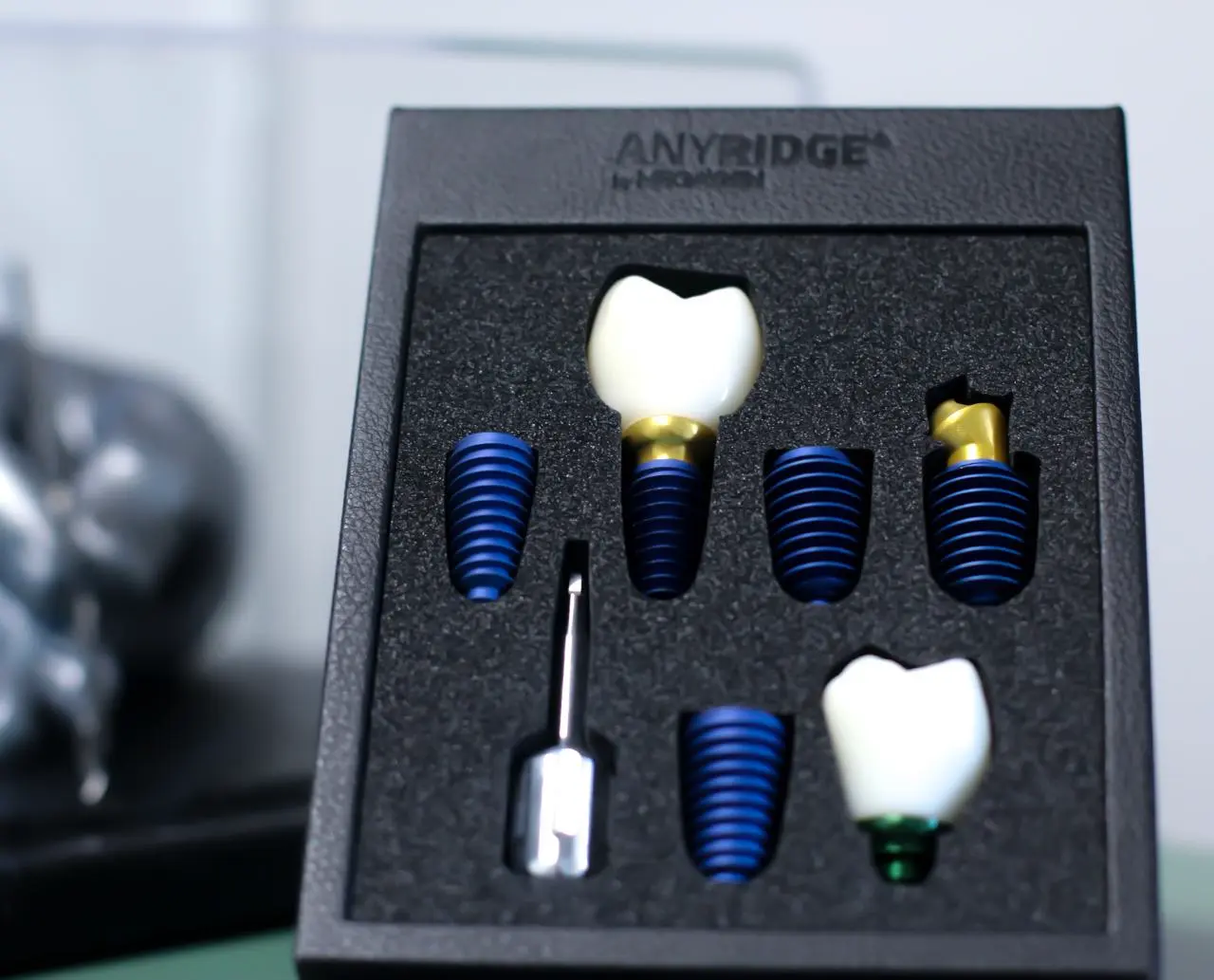
Dental implants are small medical-grade titanium posts placed into the jawbone to replace missing tooth roots. After healing, a crown, bridge, or full-arch restoration is attached to the implant, creating a stable and natural-looking result.

Unlike removable dentures, implants are fixed and designed to function like real teeth—allowing you to speak clearly, eat comfortably, and smile with confidence.

Who Is a Good Candidate for Dental Implants?

Dental implants are recommended when:

  • One or more teeth are missing
  • A tooth cannot be saved and needs replacement
  • You want a fixed alternative to removable dentures
  • You want to prevent bone loss and maintain facial structure

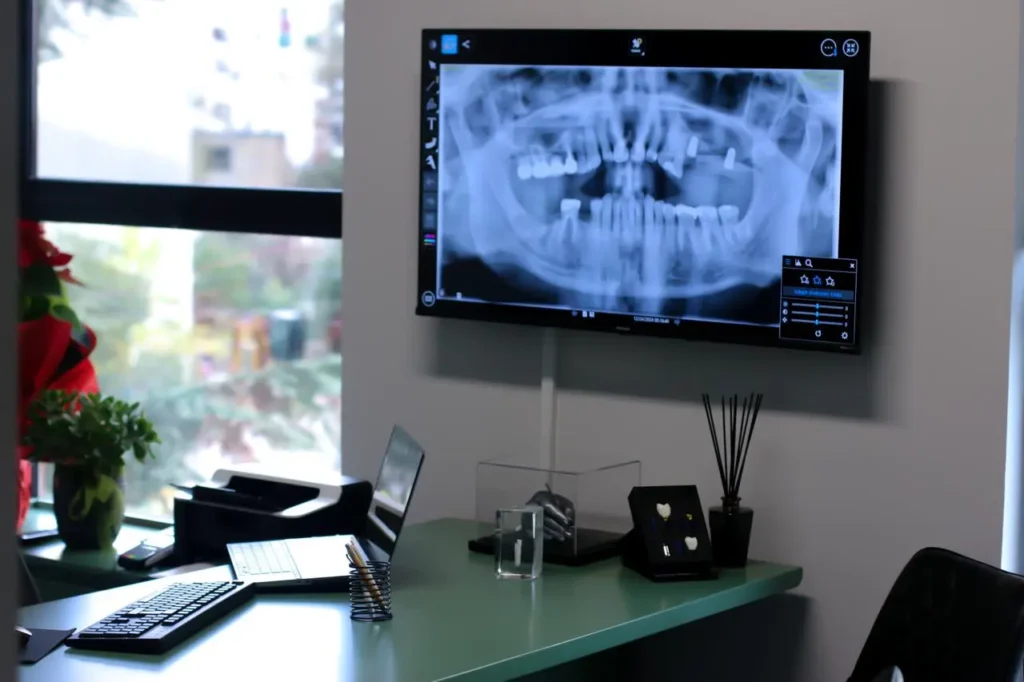
During the initial consultation, the dentist evaluates gum health, bite, and bone level using a clinical exam and imaging (often a 3D scan).

How the Implant Procedure Works

Most implant treatments follow these steps:

  1. Consultation and 3D scan
    The dentist assesses bone volume, plans the implant position, and checks any medical factors.
  2. Implant placement
    The titanium implant is placed in a controlled, precise way with modern surgical techniques.
  3. Healing and bone integration
    The implant integrates with the jawbone over time. This often takes 3–6 months, depending on the case.
  4. Restoration phase
    A custom crown, bridge, or full-arch prosthetic is placed, designed for comfort and natural aesthetics.

Full-Arch Implants: All on 4 and All on 6

For patients who have many missing teeth or severely damaged teeth, full-arch solutions can be life-changing. Two common approaches are:

  • All on 4: A full arch of teeth supported by 4 implants
  • All on 6: A full arch of teeth supported by 6 implants

Both options are designed to provide strong stability and fixed teeth, often with a faster return to daily comfort compared to traditional methods. Your dentist will recommend the best approach based on bone availability, bite forces, and long-term goals.

Why Patients Choose Dental Tourism in Albania

Many patients search for high-quality dentistry abroad for a combination of:

  • Experienced dental teams
  • Modern technology and digital planning
  • Clear treatment planning and timelines
  • Cost advantages compared to some Western European markets
  • An easy travel experience and hospitality options

Choosing a dental clinic in Albania opinioni (patient feedback and reviews) can be a helpful step before traveling. Always check before-and-after cases, verify what is included in the treatment plan, and ask for a written quote.

Recovery, Aftercare, and Long-Term Results

Most patients recover quickly after implant placement, especially with good post-op instructions. Typical aftercare includes:

  • Soft food for a short period
  • Maintaining excellent oral hygiene
  • Follow-up checks
  • Avoiding smoking (if applicable)
  • Following any medication or cleaning guidance

With proper care, dental implants can last many years and provide a durable solution.

Frequently Asked Questions

How long does implant treatment take?
Many cases require a healing phase of 3–6 months. Some patients may have temporary solutions while healing.

Are all on 4 and all on 6 permanent?
They are designed as long-term fixed solutions. Success depends on planning, hygiene, and follow-ups.

Can I combine implants with whitening?
Yes, but whitening works on natural teeth, not crowns. It’s best to plan teeth withening (whitening) before final restorations so the shade matches.

Final Thoughts

Dental implants can dramatically improve comfort, appearance, and quality of life. If you are considering treatment abroad, dental tourism in Albania offers an option many patients explore—especially for advanced treatments like all on 4 and all on 6.